An effective maintenance strategy has a direct impact on asset reliability, operational costs and the lifespan of building systems. While relying solely on reactive maintenance can lead to unexpected failures and costly disruptions, excessive planned maintenance may result in unnecessary expenditure. The most successful facilities management strategies strike the right balance between the two, using data and risk to determine the most appropriate approach.
Understanding Reactive Maintenance
Reactive maintenance involves repairing or replacing equipment only after it has failed. Although this “run-to-failure” approach can reduce maintenance expenditure in the short term, it often leads to higher overall costs through emergency call-outs, unplanned downtime, secondary equipment damage and shorter asset life.
While reactive maintenance remains appropriate for certain non-critical assets, relying on it as the primary maintenance strategy can significantly affect operational performance and business continuity.
The Value of Preventive Maintenance
Preventive maintenance is based on planned inspections and servicing carried out at scheduled intervals or according to equipment usage. Activities such as lubrication, filter replacement, calibration and routine inspections help identify potential issues before they develop into failures.
A well-managed preventive maintenance programme reduces emergency repairs, extends asset life, improves reliability and helps ensure building systems continue to operate safely and efficiently.
The Benefits of Predictive Maintenance
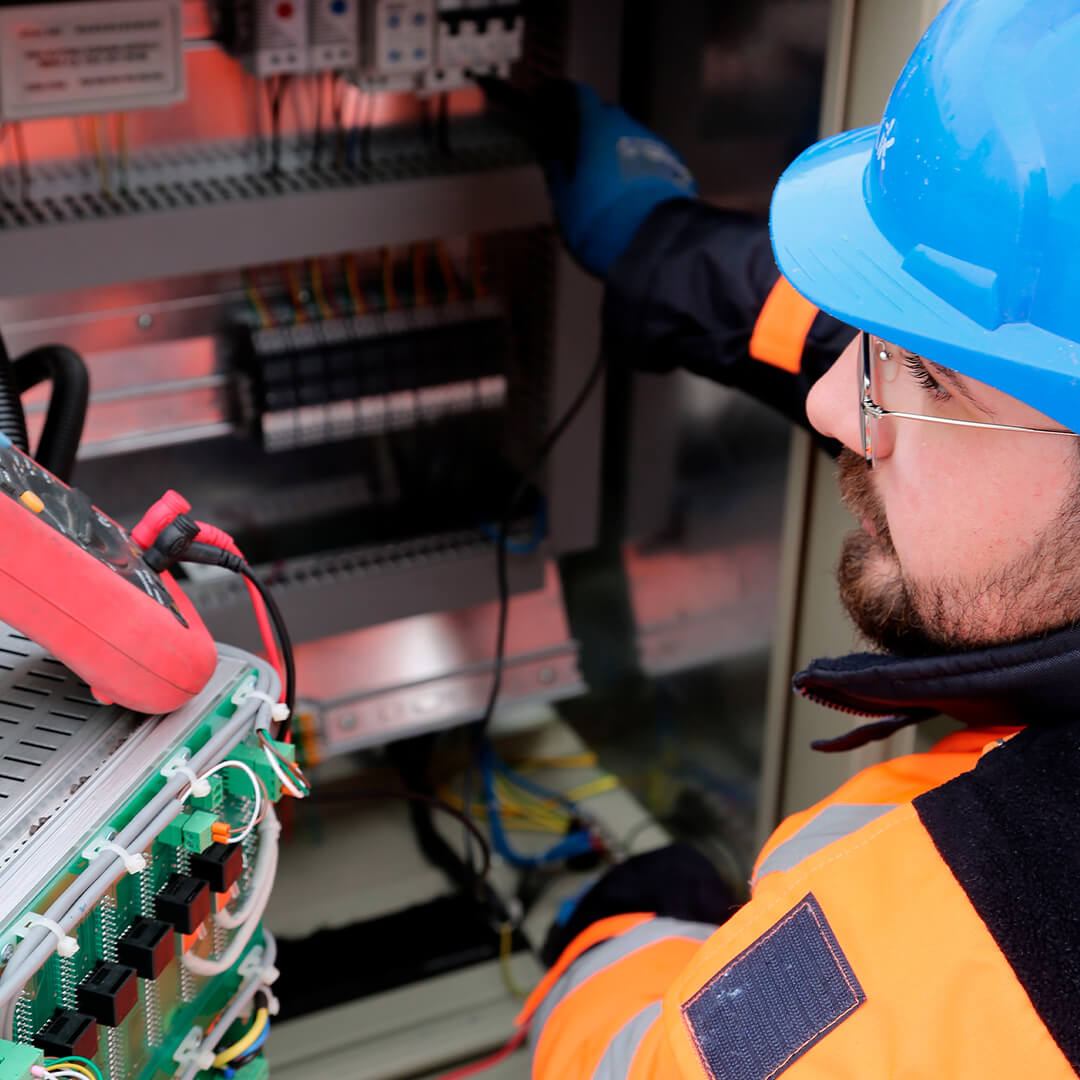
Predictive maintenance takes a more intelligent, condition-based approach by using technologies such as vibration analysis, thermal imaging and oil analysis to assess the actual condition of equipment.
Rather than relying solely on fixed maintenance schedules, this approach enables maintenance to be carried out only when performance data indicates it is required. The result is improved resource planning, reduced downtime and greater operational efficiency.
Risk-Based Maintenance Planning
Not every asset requires the same level of maintenance.
Risk-based maintenance focuses resources on the systems that are most critical to business operations or health and safety. Equipment whose failure would significantly affect operations, compliance or occupant safety receives greater attention, while lower-risk assets may be managed through reactive or less intensive planned maintenance.
This approach ensures maintenance investment is directed where it delivers the greatest operational value.
Reliability-Centred Maintenance
Reliability-Centred Maintenance (RCM) provides a structured methodology for determining the most effective maintenance strategy for each asset.
By assessing an asset’s function, potential failure modes and the consequences of failure, organisations can select the maintenance approach that delivers the highest level of reliability while avoiding unnecessary work. RCM enables maintenance teams to optimise resources and improve long-term asset performance.
Taking a Total Cost of Ownership Approach
Effective maintenance strategies focus on the total cost of ownership rather than simply reducing maintenance budgets.
Although preventive and predictive maintenance programmes require ongoing investment, they often deliver significant long-term savings through fewer breakdowns, lower repair costs, reduced energy consumption and longer equipment life. Looking beyond immediate expenditure allows organisations to make more informed investment decisions.
The Importance of Documentation and Analysis
Accurate maintenance records are essential for continuous improvement.
Recording equipment failures, maintenance activities, inspection results and associated costs provides valuable insight into asset performance over time. Analysing this information helps identify recurring issues, refine maintenance strategies and demonstrate the value of facilities management to key stakeholders.
Developing Workforce Capability
A successful maintenance strategy depends on having the right people with the right skills.
Advanced maintenance techniques, particularly predictive maintenance, require specialist knowledge, ongoing training and appropriate diagnostic equipment. Investing in technician development enables organisations to maximise the value of modern maintenance technologies and improve overall service delivery.
Technology Supporting Maintenance Delivery
Computerised Maintenance Management Systems (CMMS) have become an essential part of modern facilities management.
These platforms support planned maintenance scheduling, work order management, asset tracking and performance reporting while providing a complete maintenance history for every asset. By improving visibility and control, CMMS solutions help facilities teams make informed decisions and manage maintenance programmes more effectively.
Continuous Improvement
Maintenance strategies should continue to evolve alongside changing business requirements, ageing assets and advances in technology.
Regular reviews of maintenance performance allow organisations to refine their approach, incorporate industry best practice and ensure maintenance activities continue to support operational objectives, compliance requirements and long-term asset resilience.
Achieving the Right Balance
The most effective facilities management strategies do not rely exclusively on either reactive or preventive maintenance. Instead, they combine reactive, preventive and predictive approaches according to asset criticality, operational risk and business priorities.
By adopting a balanced, data-led maintenance strategy, organisations can improve reliability, reduce lifecycle costs, maximise asset performance and create more resilient, efficient buildings that continue to support business success.