
Compliance with building regulations, health and safety legislation, and industry standards is a fundamental responsibility within facilities management. As regulatory requirements continue to evolve, organisations need a structured and proactive approach to maintaining compliance, protecting occupants, and ensuring buildings operate safely and efficiently.
Fire Safety Compliance
Fire safety encompasses a wide range of legal and operational responsibilities, including the maintenance of fire detection and alarm systems, emergency lighting, fire suppression equipment, and clearly marked means of escape. Regular fire risk assessments are essential to identify potential hazards and implement appropriate control measures.
Under the Regulatory Reform (Fire Safety) Order 2005, the designated Responsible Person has a legal duty to ensure fire safety arrangements are maintained and remain compliant.
Electrical Safety
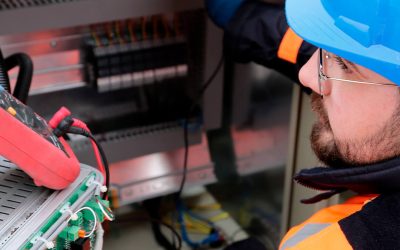
Commercial buildings must comply with BS 7671 (IET Wiring Regulations) to ensure electrical installations remain safe and fit for purpose. Regular Electrical Installation Condition Reports (EICRs), typically carried out every five years, help verify system integrity, while Portable Appliance Testing (PAT) supports the ongoing safety of portable electrical equipment used throughout the workplace.
Gas Safety
Where gas appliances or installations are present, annual inspections must be completed by engineers registered with the Gas Safe Register. Facilities should maintain accurate records of inspections, servicing, repairs, and any remedial works undertaken. Carbon monoxide detection should also be installed where appropriate to provide an additional layer of protection.
Legionella Risk Management
Under the Control of Substances Hazardous to Health (COSHH) Regulations, organisations have a duty to assess and manage the risk of Legionella bacteria within water systems.
Effective water management includes routine temperature monitoring, cleaning and disinfection programmes, planned maintenance, and comprehensive record keeping. More complex water systems should be supported by detailed Legionella risk assessments undertaken by competent specialists.
Asbestos Management
Buildings constructed before 2000 may contain asbestos-containing materials. The Control of Asbestos Regulations require duty holders to identify asbestos, assess its condition, maintain an up-to-date asbestos register, and implement an appropriate management plan.
Where asbestos is likely to be disturbed, all work must be carried out by licensed contractors in accordance with current legislation.
Energy Performance and Efficiency
Most commercial buildings require a valid Energy Performance Certificate (EPC). The Minimum Energy Efficiency Standards (MEES) currently prohibit the letting of commercial properties with an EPC rating below E, with efficiency standards expected to become increasingly stringent over time.
Facilities managers play an important role in identifying energy improvements that support compliance while reducing operational costs and carbon emissions.
Health and Safety Management
The Health and Safety at Work etc. Act 1974 places a legal duty on employers to provide a safe working environment for employees, visitors, and contractors.
This includes carrying out suitable and sufficient risk assessments, implementing appropriate control measures, providing training, maintaining equipment safely, and keeping comprehensive records to demonstrate compliance.
Accessibility and Inclusion
Under the Equality Act 2010, organisations must make reasonable adjustments to ensure buildings and services are accessible to everyone.
This may include step-free access, accessible toilet facilities, clear wayfinding, appropriate signage, and removing barriers that could prevent people with disabilities from accessing services or facilities.
Environmental Compliance
Environmental legislation continues to place increasing responsibilities on organisations to manage waste responsibly, handle hazardous materials safely, and reduce environmental impact.
Facilities managers are often responsible for ensuring compliance with waste regulations, pollution prevention measures, and sustainability reporting requirements, particularly across larger estates.
Insurance and Risk Management
Maintaining compliance not only supports legal obligations but also helps protect organisations from unnecessary risk.
Many insurance policies require buildings to be maintained in accordance with recognised standards, with regular inspections and servicing carried out by suitably qualified professionals. Failure to meet these requirements may affect insurance cover in the event of a claim.
Documentation and Record Keeping
Accurate documentation is a vital part of effective compliance management.
Inspection reports, maintenance records, risk assessments, training documentation, certification, and contractor reports all provide evidence of due diligence and help demonstrate compliance during audits or regulatory inspections.
Keeping Up with Regulatory Change
Building legislation, health and safety requirements, and environmental regulations continue to evolve. Facilities management teams should regularly review legislative updates, engage with professional bodies, and work alongside specialist compliance partners to ensure buildings remain fully compliant.
A Proactive Approach to Compliance
Effective compliance management relies on robust processes, competent professionals, and a culture of continuous improvement. While regulatory obligations can appear complex, they play a vital role in protecting people, reducing operational risk, and ensuring buildings remain safe, efficient, and legally compliant.
By taking a proactive approach to compliance, organisations can strengthen resilience, improve operational performance, and create safer environments for everyone who uses their facilities.