


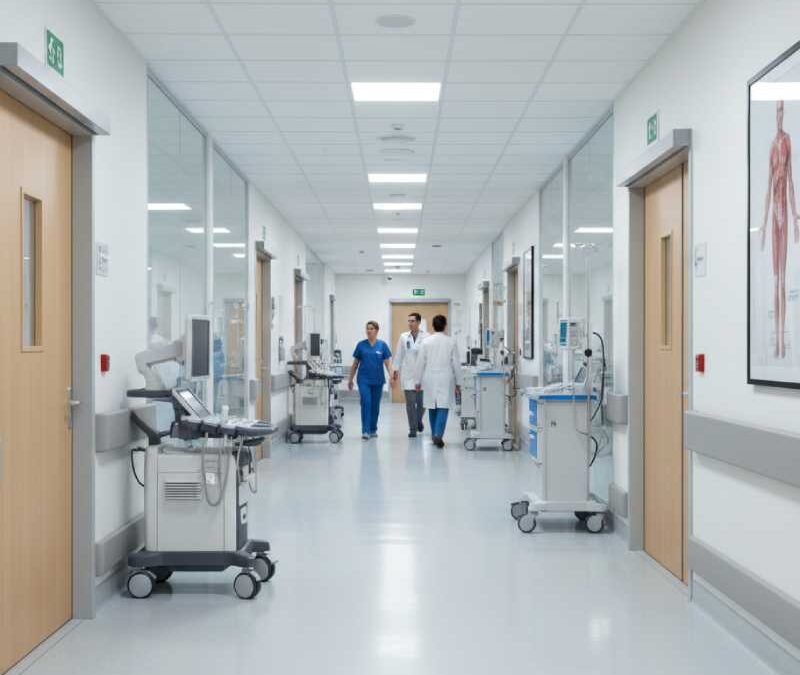
Critical infrastructure facilities—such as hospitals, data centers, and emergency services buildings—demand the highest standards of reliability, security, and operational excellence. The stakes are exceptionally high, as even brief interruptions can have serious consequences.
Zero Tolerance for Downtime
In critical environments, downtime is not an option. Healthcare facilities must maintain life-support systems, surgical suites, and diagnostic equipment without interruption. Data centers require constant uptime to support digital operations for businesses worldwide. This necessitates redundant systems, backup power supplies, and meticulously planned maintenance protocols.
Specialized Technical Expertise
Managing critical infrastructure requires technicians with specialized training and certifications. These professionals must understand complex systems including emergency generators, uninterruptible power supplies (UPS), precision cooling systems, and sophisticated fire suppression technologies specific to sensitive environments.
Compliance and Regulatory Requirements
Critical facilities operate under stringent regulatory frameworks. Healthcare facilities must comply with healthcare-specific building codes and patient safety standards, while data centers must meet industry certifications such as Tier III or IV classifications. Facilities management teams must maintain comprehensive documentation and regular audits to ensure continuous compliance.
Security Protocols
Physical and operational security is paramount in critical infrastructure. Access control systems, surveillance technologies, and security personnel work in concert to protect sensitive areas. Additionally, cybersecurity measures must protect building management systems from potential digital threats.
Preventive Maintenance Strategies
Critical facilities employ rigorous preventive maintenance programs that go beyond standard practices. Regular testing of backup systems, thermal imaging inspections, and comprehensive equipment monitoring ensure that all systems perform flawlessly when needed most.
Emergency Response Planning
Comprehensive emergency response plans address various scenarios from power failures to natural disasters. Regular drills, clearly defined protocols, and 24/7 technical support ensure rapid, coordinated responses to any situation.
Environmental Control
Maintaining precise environmental conditions is crucial. Healthcare facilities require specific temperature and humidity levels for patient comfort and medication storage, while data centers need precise climate control to prevent equipment overheating and ensure optimal server performance.
Managing critical infrastructure is a specialized discipline requiring technical excellence, strategic planning, and unwavering commitment to reliability. Organizations operating these facilities must partner with experienced facilities management providers who understand the unique challenges and can deliver the exceptional service these environments demand.