


Energy costs represent one of the largest operational expenses for commercial facilities, and recent market volatility has made strategic energy management more critical than ever. Organizations that implement comprehensive energy strategies can achieve significant cost savings while advancing sustainability objectives.
Energy Audits and Assessments
Understanding current energy consumption patterns is the foundation of effective energy management. Comprehensive energy audits identify inefficiencies, quantify potential savings opportunities, and prioritize improvement initiatives based on return on investment. These assessments examine everything from building envelope performance to equipment efficiency and operational practices.
Building Management Systems Optimization
Modern Building Management Systems (BMS) offer sophisticated capabilities for monitoring and controlling energy consumption. However, many facilities underutilize these systems. Proper BMS optimization, including scheduling adjustments, setpoint refinements, and sequence of operations improvements, can reduce energy consumption by 10-25% with minimal capital investment.
LED Lighting Retrofits
Lighting typically accounts for 20-40% of commercial building energy use. LED technology offers immediate energy savings of 50-75% compared to traditional lighting, with improved light quality and reduced maintenance requirements. Smart lighting controls that adjust based on occupancy and daylight availability further enhance savings.
HVAC System Upgrades
Heating, ventilation, and air conditioning systems consume the majority of energy in most commercial buildings. Upgrading to high-efficiency equipment, implementing variable frequency drives, and optimizing control strategies yield substantial energy and cost reductions while improving occupant comfort.
Renewable Energy Integration
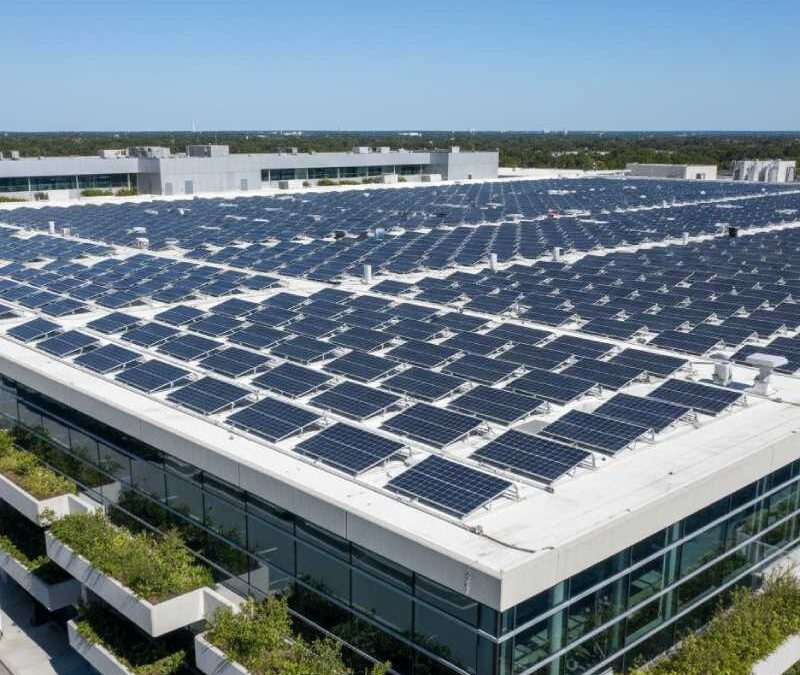
On-site renewable energy generation through solar panels or other technologies provides long-term cost predictability and insulation from energy market fluctuations. Many organizations are discovering that renewable installations now deliver attractive financial returns in addition to environmental benefits.
Energy Procurement Strategies
Strategic energy purchasing can significantly impact costs. Options include fixed-rate contracts for budget stability, flexible purchasing arrangements to capitalize on market opportunities, and power purchase agreements for renewable energy. Sophisticated procurement strategies consider market timing, contract structures, and risk tolerance.
Behavioral and Operational Changes
Technology improvements must be complemented by operational excellence. Training staff on energy-efficient practices, implementing shutdown procedures for unoccupied periods, and maintaining equipment properly ensure that technical investments deliver expected results.
Continuous Monitoring and Verification
Energy management is not a one-time project but an ongoing process. Continuous monitoring systems track consumption patterns, verify savings from improvement initiatives, and identify new opportunities. Regular reporting keeps stakeholders informed and maintains organizational focus on energy performance.
Incentives and Rebates
Utility companies and government agencies offer numerous incentive programs for energy efficiency improvements. Identifying and capturing available rebates can significantly improve project economics and accelerate payback periods.
As energy markets remain uncertain, organizations that implement comprehensive energy management strategies will be better positioned to control costs, meet sustainability commitments, and maintain competitive advantages. The question is no longer whether to invest in energy management, but how quickly to act.