


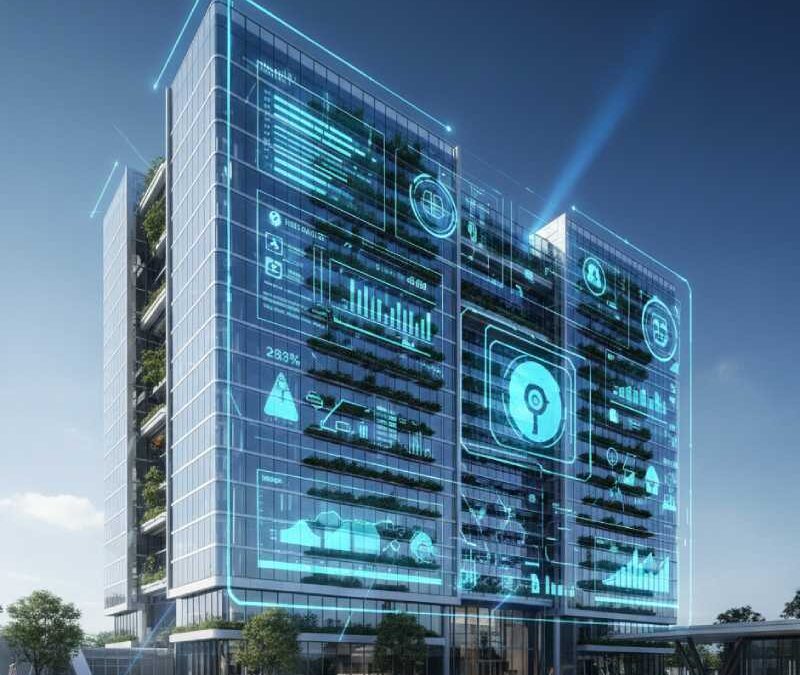
The facilities management industry is experiencing rapid transformation driven by technological innovation, evolving workplace expectations, and increasing sustainability imperatives. Understanding emerging trends helps organizations prepare for the future and make strategic investments.
Artificial Intelligence and Automation
AI is moving beyond pilot projects into mainstream FM applications. Intelligent systems now optimize building operations, predict maintenance needs, allocate resources efficiently, and even conduct preliminary diagnostics of equipment problems. Robotics are automating routine tasks like cleaning and security patrols, allowing human workers to focus on complex, value-added activities.
Digital Twins and Virtual Reality
Digital twin technology creates comprehensive virtual replicas of physical facilities, incorporating real-time data from IoT sensors. These platforms enable scenario modeling, optimization simulations, and remote troubleshooting. Virtual reality applications are transforming training, maintenance planning, and space design visualization.
Sustainability and Net Zero Commitments
Corporate net zero commitments are driving unprecedented focus on building decarbonization. FM teams are implementing comprehensive strategies including energy efficiency improvements, renewable energy adoption, electrification of building systems, and carbon offset programs. Sustainability is shifting from optional initiative to business imperative.
Human-Centric Design
Workplace design increasingly prioritizes human wellbeing, incorporating principles from WELL Building Standards and similar frameworks. This includes air quality optimization, circadian lighting, biophilic design elements, and acoustic management. Research demonstrating links between workplace environment and productivity is driving investment in human-centric facilities.
Integration of Work and Life
Facilities are adapting to support whole-person wellbeing with amenities like fitness centers, meditation rooms, childcare facilities, and health services. The boundary between workplace and lifestyle is blurring as organizations recognize that supporting employee life needs enhances productivity and retention.
Flexible and Agile Spaces
The permanent shift to hybrid work models requires flexible facilities that accommodate variable occupancy. Adaptable furniture systems, bookable spaces, diverse work settings, and seamless technology integration enable facilities to serve varied and changing needs efficiently.
Data-Driven Decision Making
The explosion of building data is enabling evidence-based facilities management. Analytics platforms synthesize information from multiple sources to provide actionable insights about space utilization, energy consumption, occupant behavior, and operational performance. Data literacy is becoming an essential skill for FM professionals.
Cybersecurity for Building Systems
As buildings become more connected, they become potential cybersecurity targets. Building Management Systems, access control platforms, and IoT devices require protection against cyber threats. FM teams must collaborate with IT security specialists to implement comprehensive cybersecurity measures.
Circular Economy Principles
FM is embracing circular economy concepts through strategies like furniture reuse and refurbishment, material recycling, waste-to-energy systems, and design for disassembly. These approaches reduce environmental impact while often delivering cost savings.
Wellness and Indoor Environmental Quality
Post-pandemic awareness has permanently elevated expectations for indoor air quality. Enhanced filtration, increased ventilation, touchless technologies, and continuous air quality monitoring are becoming standard. Visible displays of air quality data provide occupant reassurance.
Workforce Development Challenges
The industry faces skilled technician shortages as experienced professionals retire. Addressing this requires investment in training programs, apprenticeships, technology that augments workforce capabilities, and efforts to attract diverse talent into FM careers.
Integrated Service Delivery
Organizations are consolidating FM services with fewer, more comprehensive providers. This integration improves coordination, reduces management complexity, and enables holistic optimization across previously siloed services.
Blockchain and Smart Contracts
Emerging blockchain applications in FM include automated contractor payments triggered by verified task completion, transparent maintenance record keeping, and streamlined procurement processes. While early stage, these technologies promise increased efficiency and accountability.
Space as a Service
New business models are emerging where organizations pay for workplace outcomes rather than traditional square footage. This «space as a service» approach transfers space management complexity to specialized providers while giving organizations flexibility to scale as needs change.
The facilities management industry is entering an era of unprecedented change and opportunity. Organizations and FM professionals who embrace these trends, invest in relevant capabilities, and maintain adaptability will be best positioned for success in the evolving landscape. The future of FM is intelligent, sustainable, human-centric, and technologically enabled—and that future is arriving rapidly.