


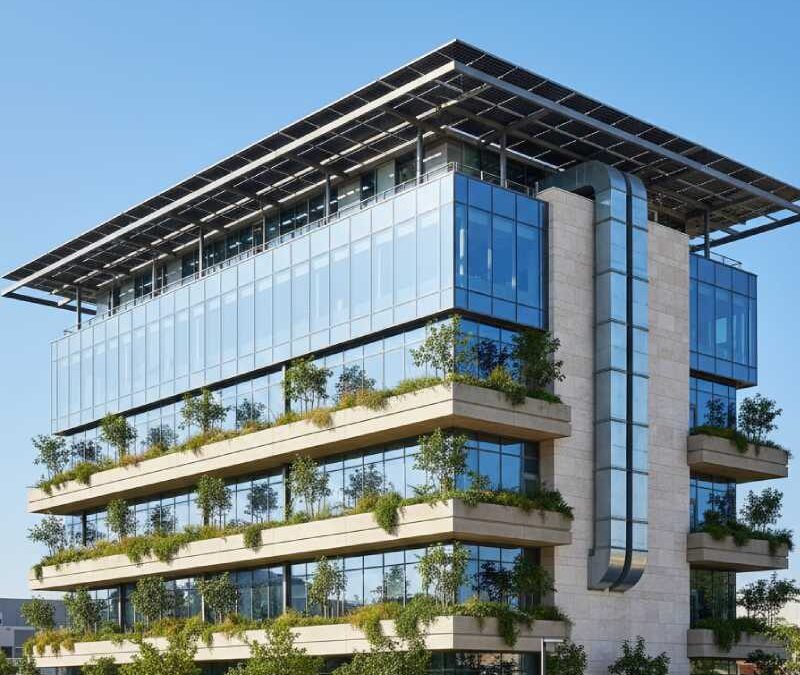
As businesses worldwide intensify their commitment to environmental responsibility, facilities management has emerged as a critical driver of corporate sustainability initiatives. Organizations are discovering that their FM strategies can significantly impact their carbon footprint and overall environmental performance.
Energy Efficiency as a Priority
Modern facilities management teams are implementing advanced building management systems that optimize energy consumption in real-time. Smart sensors and AI-driven analytics allow for precise control of heating, ventilation, and air conditioning systems, reducing energy waste by up to 30% in some commercial properties.
Renewable Energy Integration
Forward-thinking organizations are incorporating solar panels, wind energy, and battery storage solutions into their facilities infrastructure. This shift not only reduces reliance on fossil fuels but also provides long-term cost savings and energy independence.
Water Conservation Strategies
Water management has become a focal point for sustainable facilities operations. From low-flow fixtures to rainwater harvesting systems and greywater recycling, FM teams are implementing comprehensive water conservation programs that align with corporate ESG objectives.
Waste Reduction and Circular Economy
Progressive facilities management approaches now emphasize waste reduction through comprehensive recycling programs, composting initiatives, and partnerships with organizations that repurpose materials. This circular economy mindset is transforming how businesses view their operational waste.
Green Building Certifications
Pursuing certifications such as LEED, BREEAM, and WELL Building Standards has become standard practice for organizations committed to sustainability. These frameworks provide measurable benchmarks for environmental performance and demonstrate tangible commitment to stakeholders.
The evolution of facilities management into a sustainability powerhouse represents a significant opportunity for businesses to meet their environmental commitments while achieving operational excellence and cost efficiency.